In an era where indoor air quality is becoming increasingly critical, understanding the role of an air purifier for home use is essential. These devices are designed to enhance the air we breathe by filtering out harmful particles and pollutants that can accumulate indoors. With many people spending a significant portion of their lives inside their homes, the importance of clean air cannot be overstated. Air purifiers serve as a frontline defense against allergens, dust, pet dander, and even certain pathogens, making them a valuable addition to any household.The primary function of an air purifier is to remove contaminants from the air, thereby improving overall air quality.
Most modern air purifiers utilize advanced filtration systems, such as HEPA (High-Efficiency Particulate Air) filters, which can capture up to 99.97% of particles as small as 0.3 microns. This includes not only common allergens but also smoke, mold spores, and even some bacteria and viruses. As awareness grows about the impact of indoor air pollution on health—ranging from respiratory issues to long-term chronic conditions—more individuals are turning to these devices as a proactive measure.Beyond just filtering out pollutants, the benefits of using an air purifier extend to creating a more comfortable living environment. For those suffering from allergies or asthma, having cleaner air can lead to fewer symptoms and improved quality of life.
Additionally, many air purifiers come equipped with features that monitor air quality in real-time, providing users with valuable insights into their indoor environment. This data can empower homeowners to take further steps in maintaining a healthy atmosphere.As we delve deeper into the effectiveness and limitations of air purifiers throughout this article, it’s crucial to recognize their role not just as standalone solutions but as part of a broader strategy for enhancing indoor air quality. Understanding how these devices work and what they can achieve will help you make informed decisions about incorporating an air purifier for home use into your daily life.
How Air Purifiers Work
Understanding how air purifiers work is essential for anyone considering them for their home. At their core, air purifiers are designed to improve indoor air quality by removing contaminants from the air.The process typically involves several key components and technologies that work together to achieve this goal.Most air purifiers operate using a fan that draws in air from the surrounding environment. This air is then passed through one or more filters that capture various pollutants before circulating the cleaned air back into the room. The effectiveness of an air purifier largely depends on the type of filters it uses.
Types of Filters
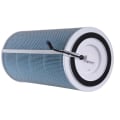
- HEPA Filters: High-Efficiency Particulate Air (HEPA) filters are among the most effective types of filters available. They can trap at least 99.97% of particles that are 0.3 microns in size, including dust, pollen, pet dander, and even some bacteria and viruses.
This makes them particularly beneficial for individuals with allergies or respiratory issues.
- Activated Carbon Filters: These filters are designed to absorb odors and gases, such as volatile organic compounds (VOCs) and smoke. They work by using a process called adsorption, where pollutants adhere to the surface of the carbon particles.
- Pre-Filters: Many air purifiers come equipped with pre-filters that capture larger particles before they reach the HEPA filter. This not only extends the life of the HEPA filter but also enhances overall efficiency.
As air flows through the purifier, particles collide with the filter media and become trapped. The design of the filter plays a crucial role in determining how effectively it can capture different types of pollutants.To maintain optimal performance, regular maintenance is essential. Filters should be replaced according to the manufacturer's recommendations—typically every three months for HEPA filters—to ensure that the purifier continues to function effectively.In summary, understanding how air purifiers work involves recognizing the importance of filter types and their specific functions in capturing airborne contaminants. By selecting a model with appropriate technology for your needs, you can significantly enhance your home's air quality.
The Effectiveness of Air Purifiers Against Common Pollutants
When it comes to enhancing indoor air quality, understanding the effectiveness of air purifiers for home use is crucial, especially in relation to common pollutants such as allergens, dust, and pet dander.These devices are often marketed as essential tools for improving air quality, but how well do they actually perform in real-world scenarios?Numerous studies have demonstrated that air purifiers equipped with HEPA (High-Efficiency Particulate Air) filters can significantly reduce airborne allergens. For instance, research published in the Journal of Allergy and Clinical Immunology found that HEPA filters can capture up to 99.97% of particles as small as 0.3 microns. This includes common allergens like pollen, mold spores, and pet dander, which are prevalent in many households.In addition to allergens, air purifiers can also help mitigate the presence of dust and other particulate matter. Dust mites, which thrive in indoor environments, are a significant source of allergens for many individuals.
A study conducted by the American College of Allergy, Asthma & Immunology indicated that using HEPA air purifiers led to a marked decrease in dust mite populations and associated allergic reactions.However, it is essential to recognize that while air purifiers can effectively reduce these pollutants, they are not a panacea. For optimal performance, air purifiers must be appropriately sized for the room they are used in and should be maintained regularly. This includes changing filters according to the manufacturer's recommendations—typically every three months—to ensure they continue to operate efficiently.Moreover, while HEPA filters excel at capturing solid particles, their effectiveness against gaseous pollutants is limited. Volatile organic compounds (VOCs), which can emanate from household products like paints and cleaners, require different filtration technologies such as activated carbon filters.
Some advanced air purifiers combine HEPA and activated carbon filters to address a broader range of indoor pollutants.In summary, air purifiers for allergens and other common indoor pollutants can play a vital role in improving indoor air quality. They are particularly beneficial for individuals with allergies or respiratory conditions. However, it is crucial to understand their limitations and complement their use with other strategies such as regular cleaning and proper ventilation to achieve the best results in maintaining a healthy living environment.
Air Purifiers and Gases: What You Need to Know
When it comes to air purifiers for home, many consumers are often misled by the assumption that these devices can effectively eliminate all types of indoor air pollutants, including gases and odors. However, the reality is more nuanced.Understanding the limitations of air purifiers in this regard is crucial for making informed decisions about indoor air quality.One of the primary challenges with air purifiers is their effectiveness in removing volatile organic compounds (VOCs). VOCs are a group of organic chemicals that can easily evaporate at room temperature and are commonly found in household products such as paints, cleaning agents, and even furniture. While some air purifiers are equipped with activated carbon filters designed to adsorb these compounds, their efficiency can vary significantly. Many standard HEPA filters, which excel at trapping particulate matter, do not capture gases like VOCs.Moreover, the concentration of VOCs in a space can overwhelm the capacity of an air purifier.
For instance, if you have recently painted a room or used strong cleaning products, the levels of VOCs may exceed what the purifier can handle effectively. In such cases, relying solely on an air purifier may not provide the relief you seek.Another common misconception is that air purifiers can completely eliminate odors. While certain models may help reduce unpleasant smells by filtering out some odor-causing particles, they are not a panacea for all odors. Strong odors from cooking, pets, or smoke may linger even in the presence of an air purifier.
This is because many odors are caused by gases that require specific filtration methods to be effectively removed.To enhance your home's air quality regarding gases and odors, consider these strategies:
- Choose the Right Filter: Look for air purifiers with activated carbon filters specifically designed for gas removal.
- Increase Ventilation: Open windows and doors to allow fresh air to circulate and dilute indoor pollutants.
- Regular Maintenance: Change filters as recommended to ensure optimal performance and prevent buildup of contaminants.
- Source Control: Identify and minimize sources of VOCs and odors in your home by opting for low-VOC products.
Choosing the Right Air Purifier for Your Home
When it comes to selecting the best air purifier for home, understanding your specific needs is crucial. With a variety of options available, each designed to tackle different types of pollutants, making an informed choice can significantly enhance your indoor air quality.Types of Air Purifiers
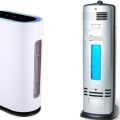
- HEPA Air Purifiers: These are among the most popular types and are known for their ability to capture 99.97% of particles as small as 0.3 microns. They are particularly effective against allergens like pollen, dust mites, and pet dander.
- Activated Carbon Air Purifiers: Ideal for removing odors and gases, these purifiers use activated carbon filters that absorb volatile organic compounds (VOCs) and other harmful gases.
They are a great choice if you’re dealing with strong smells from cooking or pets.
- UV-C Light Air Purifiers: Utilizing ultraviolet light, these purifiers kill bacteria and viruses in the air. They can be a good addition if you’re concerned about pathogens, especially during flu season or a pandemic.
- Ionic Air Purifiers: These devices release negatively charged ions that attach to airborne particles, causing them to clump together and fall out of the air. However, some models may produce ozone, which can be harmful in high concentrations.
Buying Guide
When choosing an air purifier, consider the following factors:
- Room Size: Ensure the purifier is rated for the size of the room where it will be used. Most manufacturers provide a square footage recommendation.
- Filter Replacement Costs: Check how often filters need to be replaced and their cost.
Some models may have higher upfront costs but lower maintenance expenses.
- Noise Level: If you plan to use the purifier in a bedroom or office, look for models that operate quietly, especially on lower settings.
- Energy Efficiency: Look for Energy Star-rated models to save on electricity bills while ensuring effective air purification.
Maintenance and Care for Air Purifiers
To ensure that your air purifier for home operates at peak efficiency, regular maintenance is essential. Neglecting this aspect can lead to diminished performance and reduced air quality, which defeats the purpose of investing in such a device.Understanding Filter Replacement
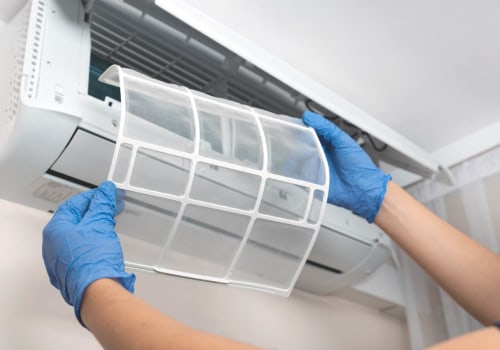
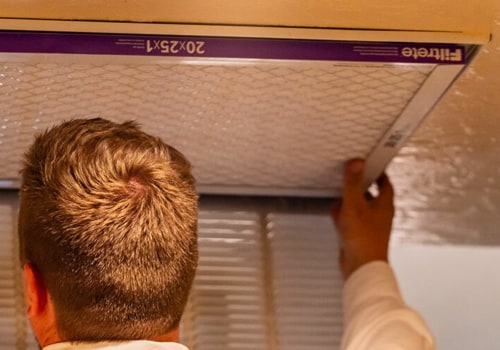
The heart of any air purifier is its filter system. Most models utilize HEPA filters, which are designed to capture a significant percentage of airborne particles.However, these filters can become clogged over time, reducing airflow and effectiveness. It is crucial to adhere to the manufacturer’s recommendations regarding filter replacement schedules.
- HEPA Filters: Typically need replacement every 6 to 12 months, depending on usage and air quality.
- Pre-Filters: These should be checked monthly and replaced every 3 months to maintain optimal performance.
- Activated Carbon Filters: If your air purifier includes one for odor control, replace it every 3 to 6 months.
General Care Tips
In addition to replacing filters, there are several other maintenance tasks that can prolong the life of your air purifier:- Regular Cleaning: Dust and debris can accumulate on the exterior and intake vents. Wipe down the surfaces with a damp cloth regularly to prevent buildup.
- Avoid Overworking: If your air purifier is running continuously in a heavily polluted environment, consider using it in conjunction with proper ventilation methods to reduce strain on the device.
- Monitor Air Quality: Many modern air purifiers come equipped with sensors that provide real-time feedback on air quality. Use this feature to gauge when your unit needs to work harder or when it can take a break.
Remember, a well-maintained air purifier not only improves indoor air quality but also contributes to better overall health and well-being.
Air Purifiers vs. Other Air Quality Solutions
When it comes to enhancing indoor air quality, many homeowners often find themselves weighing the benefits of air purifiers against other solutions such as proper ventilation and reducing sources of pollution. Each method has its own advantages and limitations, and understanding these can help you make an informed decision about the best approach for your home.Air Purifiers vs. Ventilation
One of the most significant differences between air purifiers and ventilation systems is their method of operation.
Air purifiers work by filtering out contaminants from the air within a closed space, while ventilation systems aim to bring in fresh outdoor air to dilute indoor pollutants.
- Effectiveness: Air purifiers can effectively capture particles like dust, pollen, and pet dander, making them particularly beneficial for allergy sufferers. However, they may not be as effective at removing gases or odors unless specifically designed to do so.
- Fresh Air Exchange: Ventilation systems provide a continuous flow of fresh air, which is essential for maintaining a healthy indoor environment. This is especially important in homes that are tightly sealed for energy efficiency, as they can trap pollutants.
- Energy Consumption: While air purifiers consume electricity, ventilation systems can also increase heating and cooling costs due to the introduction of outside air. Balancing these factors is crucial for energy-conscious homeowners.
Alternatives to Air Purifiers
In addition to air purifiers and ventilation, there are several other strategies you can employ to improve indoor air quality:
- Source Control: The most effective way to improve indoor air quality is by eliminating or reducing sources of pollution.
This includes using low-VOC paints, avoiding smoking indoors, and regularly cleaning to minimize dust accumulation.
- Houseplants: Certain houseplants can help filter toxins from the air naturally. Plants like spider plants, peace lilies, and snake plants are known for their air-purifying properties.
- Regular Maintenance: Keeping your HVAC system well-maintained and changing filters regularly can significantly reduce indoor pollutants.
A Holistic Approach
The key to achieving optimal indoor air quality lies in adopting a holistic approach that combines multiple strategies. While an air purifier for home use can be a valuable tool, it should not be viewed as a standalone solution. Instead, consider integrating it with effective ventilation practices and proactive measures to reduce pollution sources.
By doing so, you can create a healthier living environment that supports your well-being.
Common Myths About Air Purifiers Debunked
As air purifiers gain popularity, several myths and misconceptions have emerged, leading to confusion among consumers. Here, we address some of the most common myths about air purifiers to help you make informed decisions.- Myth 1: Air Purifiers Eliminate All Pollutants
Many people believe that air purifiers can completely eliminate all types of indoor pollutants. In reality, while these devices are effective at reducing airborne particles such as dust, pollen, and pet dander, they cannot remove every type of contaminant. For instance, gases and odors may require specific types of filters or additional technologies like activated carbon. - Myth 2: All Air Purifiers Are the Same
Not all air purifiers are created equal.Different models are designed to target various pollutants. For example, HEPA filters are excellent for capturing particulate matter, while activated carbon filters are better suited for absorbing odors and gases. Understanding your specific needs is crucial when selecting an air purifier.
- Myth 3: Air Purifiers Are Noisy
While some older models may produce noticeable noise, many modern air purifiers operate quietly. Manufacturers have made significant advancements in technology to ensure that these devices can run efficiently without disturbing your daily activities or sleep. - Myth 4: You Don’t Need to Change Filters Regularly
Another common misconception is that once you purchase an air purifier, you can forget about it.Regular maintenance is essential for optimal performance. Most manufacturers recommend changing filters every three to six months, depending on usage and the type of filter.
- Myth 5: Air Purifiers Can Replace Ventilation
Some individuals think that using an air purifier eliminates the need for proper ventilation. However, this is not true. Air purifiers can complement good ventilation practices but should not be seen as a substitute.Fresh air circulation is vital for maintaining healthy indoor air quality.
Conclusion: Making Informed Decisions About Air Purifiers
In summary, understanding the role of air purifiers for home use is essential for making informed decisions about improving indoor air quality. While these devices can significantly reduce airborne pollutants, they are not a panacea for all air quality issues. It is crucial to recognize both their advantages and limitations.One of the primary benefits of air purifiers is their ability to capture a wide range of particulate matter, including allergens like pollen, dust mites, and pet dander.This can be particularly beneficial for individuals suffering from allergies or respiratory conditions. Moreover, certain models equipped with HEPA filters can even trap viruses and bacteria, providing an additional layer of protection in our homes.However, it is important to note that air purifiers are not designed to eliminate all types of pollutants. For instance, many standard models struggle with gaseous pollutants and odors. If your home has persistent smells or chemical vapors, you may need to consider specialized filters or additional ventilation strategies.Furthermore, the effectiveness of an air purifier is contingent upon proper maintenance.
Regularly changing filters—typically every three months—is vital for ensuring optimal performance. Neglecting this maintenance can lead to diminished air quality rather than improvement.When contemplating the purchase of an air purifier, it is essential to assess your specific needs and the unique air quality challenges in your environment. Not all purifiers are created equal; some excel at removing particles while others are better suited for gases and odors. Researching different models and understanding their specifications will help you select the right device for your home.Lastly, while air purifiers can enhance indoor air quality, they should not replace other critical practices such as proper ventilation and reducing sources of indoor pollution.
Combining these strategies will yield the best results in creating a healthier living space.In conclusion, by arming yourself with knowledge about air purifiers for home, you can make informed choices that contribute to a cleaner and safer indoor environment.