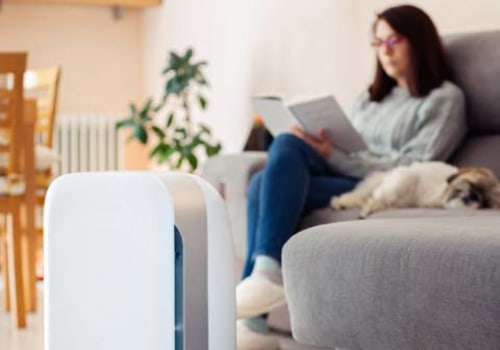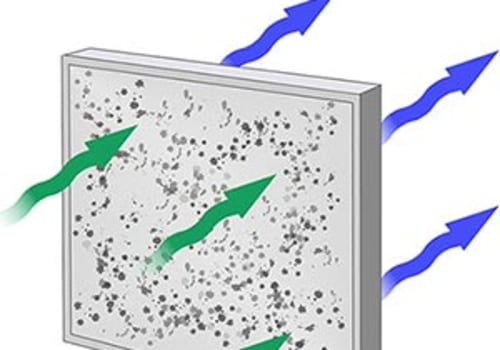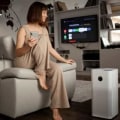
In an age where indoor air quality is becoming increasingly important, understanding air purifiers is essential for maintaining a healthy living environment. An air purifier is a device designed to remove contaminants from the air in a room, making it cleaner and safer to breathe. These devices are particularly beneficial for individuals suffering from allergies, asthma, or other respiratory conditions, as they can significantly reduce airborne pollutants such as dust, pollen, pet dander, and smoke.So, how do air purifiers work? At their core, these devices utilize various filtration technologies to capture and eliminate harmful particles from the air. The most common type of filter found in air purifiers is the HEPA (High-Efficiency Particulate Air) filter, which is capable of trapping 99.97% of particles that are 0.3 microns in size.
This includes not only larger particles like dust and pet hair but also smaller allergens and even some bacteria and viruses. When air is drawn into the purifier, it passes through the filter system where these pollutants are captured, and the purified air is then released back into the room.While many people may think of air purifiers as luxury items or unnecessary gadgets, they play a crucial role in enhancing indoor air quality. In homes where ventilation is limited or where outdoor pollution seeps indoors, an effective air purifier for home use can make a significant difference. By actively filtering out harmful substances, these devices help create a healthier atmosphere for families, especially in urban areas where air quality can be compromised.As we delve deeper into the topic of air purifiers throughout this article, we will explore their effectiveness, common misconceptions, and how to choose the right model for your specific needs.
Understanding these aspects will empower you to make informed decisions about improving your indoor air quality.
The Science Behind Air Purification
Understanding how air purifiers work is essential for anyone considering them for their home. At the core of most air purifiers is a filtration system designed to capture and eliminate various pollutants from indoor air. The effectiveness of these devices largely depends on the type of filter used, with HEPA (High-Efficiency Particulate Air) filters being the gold standard in air purification technology.How Air Purifiers Clean Air
Air purifiers operate by drawing in air from the surrounding environment, passing it through a series of filters, and then releasing cleaner air back into the room. This process typically involves several stages:- Pre-Filter: The first line of defense, pre-filters capture larger particles such as dust and pet hair.
This helps prolong the life of the more specialized filters that follow.
- HEPA Filter: The heart of an effective air purifier, HEPA filters can trap at least 99.97% of particles that are 0.3 microns in size. This includes allergens like pollen, mold spores, and even some bacteria and viruses.
- Activated Carbon Filter: Often included in air purifiers, activated carbon filters absorb odors and volatile organic compounds (VOCs) from the air, improving overall air quality.
The Role of HEPA Filters
HEPA filters are particularly noteworthy due to their rigorous testing standards. To qualify as a HEPA filter, it must meet specific criteria set by the U. S.Department of Energy. This means that they are not only effective at capturing small particles but also play a crucial role in reducing allergens and other harmful substances in your home.When air passes through a HEPA filter, it undergoes a mechanical filtration process that involves three mechanisms:
- Interception: Particles that come close to the fibers of the filter stick to them.
- Inertial Impaction: Larger particles are unable to follow the airflow and collide with the filter fibers.
- Diffusion: Smaller particles move erratically and are more likely to be captured by the filter fibers.
Advancements in Air Purification Technology
The field of air purification is continually evolving, with new technologies emerging to enhance efficiency and effectiveness. Some modern air purifiers incorporate additional features such as:- UV-C Light Technology: This technology uses ultraviolet light to kill bacteria and viruses, providing an extra layer of protection against airborne pathogens.
- Ionic Purification: Ionic purifiers release negatively charged ions into the air, which attach to positively charged particles, causing them to clump together and fall out of the air.
Common Myths About Air Purifiers
As air purifiers gain popularity, a number of myths and misconceptions have emerged, leading to confusion among consumers.Understanding the truth behind these myths is crucial for making informed decisions about air purifiers for home use.
Myth 1: Air Purifiers Can Eliminate All Indoor Pollutants
One of the most common misconceptions is that air purifiers can completely eliminate all indoor pollutants. While these devices are effective at reducing airborne particles such as dust, pollen, and pet dander, they are not a panacea. For instance, air purifiers do not address sources of pollution like volatile organic compounds (VOCs) emitted from household products or gases from cooking. To achieve optimal indoor air quality, it’s essential to combine the use of an air purifier with other strategies, such as proper ventilation and minimizing the use of harmful chemicals.
Myth 2: Air Purifiers Can Prevent Mold Growth
Another prevalent myth is that air purifiers can prevent mold from forming in your home.
In reality, while air purifiers can help reduce the number of mold spores in the air, they do not eliminate the moisture that allows mold to thrive. To effectively combat mold growth, it’s important to control humidity levels and address any water leaks or damp areas in your home.
Myth 3: All Air Purifiers Are the Same
Many consumers believe that all air purifiers function similarly, but this is far from the truth. Different models utilize various technologies, such as HEPA filters, activated carbon filters, or UV light. Each type has its strengths and weaknesses.
For example, HEPA filters are excellent at capturing small particles but may not be effective against gases. Understanding these differences is key to selecting the right air purifier for your specific needs.
Myth 4: Air Purifiers Are Noisy
Some potential buyers shy away from purchasing an air purifier due to concerns about noise levels. While older models may have been noisy, many modern air purifiers are designed to operate quietly. Features such as multiple fan speeds and noise-reduction technology allow users to enjoy cleaner air without disruptive sounds.
Myth 5: You Don’t Need to Change Filters Regularly
A common misconception is that once you purchase an air purifier, you can set it and forget it.
In reality, regular maintenance is crucial for optimal performance. Most manufacturers recommend changing filters every three to six months, depending on usage and environmental factors. Neglecting this maintenance can lead to decreased efficiency and even damage to the unit.By debunking these myths about air purifiers, consumers can set realistic expectations and make informed choices that enhance their indoor air quality effectively.
Air Purifiers and Health Benefits: What the Research Says
As concerns about indoor air quality continue to rise, numerous studies have emerged highlighting the potential health benefits of using air purifiers for home environments. These devices are designed to filter out harmful pollutants, allergens, and particulate matter from the air we breathe, which can significantly impact our overall health.Research indicates that exposure to indoor air pollutants can lead to a variety of health issues, including respiratory problems, cardiovascular diseases, and even cognitive decline.A study published in the Journal of Allergy and Clinical Immunology found that using air purifiers equipped with HEPA filters can reduce airborne allergens such as pollen, dust mites, and pet dander by up to 90%. This reduction is particularly beneficial for individuals suffering from asthma or allergies, as it can lead to fewer symptoms and improved quality of life.Another significant study conducted by the Environmental Health Perspectives journal examined the effects of air purifiers on children with asthma. The findings revealed that children who used air purifiers in their homes experienced a notable decrease in asthma attacks and hospital visits. This underscores the importance of maintaining clean indoor air, especially for vulnerable populations.Moreover, a meta-analysis published in The Lancet Planetary Health highlighted that air purifiers not only help in reducing particulate matter but also lower levels of volatile organic compounds (VOCs) and other harmful gases.
These pollutants are often emitted from household products like paints, cleaning agents, and furniture. By minimizing exposure to these substances, individuals may experience long-term health improvements, including better lung function and reduced risk of chronic diseases.In addition to respiratory benefits, some studies suggest that cleaner air can positively affect mental health. Research has shown a correlation between improved air quality and enhanced cognitive function. A study from the Harvard T.
H. Chan School of Public Health found that participants exposed to cleaner indoor air performed better on cognitive tests compared to those in environments with higher levels of pollution.While the evidence supporting the health benefits of air purifiers is compelling, it is essential to recognize that these devices should complement other strategies for maintaining indoor air quality. Regular cleaning, proper ventilation, and reducing sources of pollution are equally important in creating a healthier living space.In conclusion, scientific research supports the notion that using air purifiers for home use can lead to significant health benefits by reducing exposure to indoor pollutants. As more people become aware of the importance of indoor air quality, investing in a high-quality air purifier may be a proactive step towards safeguarding your health and well-being.
Choosing the Right Air Purifier for Your Home
When it comes to selecting the best air purifier for home, understanding your specific needs and the features available is crucial.With a plethora of options on the market, making an informed decision can significantly enhance your indoor air quality.
1.Assess Your Room Size
The first step in choosing an air purifier is to determine the size of the room where it will be used. Air purifiers are designed for different room sizes, and using one that is too small for your space will limit its effectiveness. Most manufacturers provide a recommended room size on the product specifications. Measure your room and compare it to these guidelines to ensure optimal performance.
2.Filter Type Matters
Air purifiers utilize various types of filters, each with its own strengths:
- HEPA Filters: High-Efficiency Particulate Air (HEPA) filters are highly effective at capturing small particles, including dust, pollen, and pet dander.
Look for models that meet HEPA standards to ensure maximum filtration.
- Activated Carbon Filters: These filters excel at absorbing odors and volatile organic compounds (VOCs). If you’re concerned about smells from cooking or pets, consider an air purifier with an activated carbon filter.
- Pre-Filters: Many air purifiers come with pre-filters that capture larger particles before they reach the main filter, extending its lifespan and improving efficiency.
3.Clean Air Delivery Rate (CADR)
The Clean Air Delivery Rate (CADR) is a critical metric that indicates how quickly an air purifier can clean the air in a given space. It measures the volume of filtered air delivered by the purifier and is rated for three common pollutants: smoke, dust, and pollen. A higher CADR rating means faster purification.
When comparing models, look for those with CADR ratings that match or exceed your room size requirements.
4.Noise Levels
Consider the noise level of the air purifier, especially if you plan to use it in a bedroom or quiet space. Many models offer multiple fan speeds, allowing you to adjust the noise level according to your preference. Look for units that operate quietly on lower settings while still providing effective filtration.
5.Maintenance and Filter Replacement
Regular maintenance is essential for optimal performance. Check how often filters need to be replaced and factor this into your decision-making process.
Some models have indicator lights that alert you when it’s time to change filters, which can be a helpful feature.By considering these factors—room size, filter type, CADR ratings, noise levels, and maintenance—you can confidently choose an air purifier that meets your needs and enhances your home’s air quality.
Placement and Maintenance of Air Purifiers
To maximize the effectiveness of your air purifier for home, proper placement is crucial. The location of your air purifier can significantly influence its ability to clean the air efficiently. Here are some key considerations for optimal placement:- Central Location: Position your air purifier in a central area of the room where air circulation is best. This allows the device to draw in air from all corners of the space.
- Avoid Obstacles: Ensure that the air purifier is at least one foot away from walls, furniture, and other obstructions.
This distance helps prevent airflow blockage, allowing the unit to operate more effectively.
- Room Size Compatibility: Choose a location that matches the size specifications of your air purifier. If you have a larger room, consider placing multiple units to ensure comprehensive coverage.
- Height Matters: For optimal performance, place the air purifier on a table or shelf rather than on the floor. This positioning helps capture airborne particles more effectively, as many pollutants tend to float at higher levels.
Here are some tips for maintaining your air purifier:
- Filter Replacement: One of the most critical aspects of maintenance is replacing the filters regularly. Most manufacturers recommend changing HEPA filters every 6 to 12 months, depending on usage and air quality. Check your user manual for specific guidelines.
- Pre-Filters: If your air purifier has a pre-filter, clean or replace it every month. Pre-filters capture larger particles and help extend the life of the main filter.
- Cleaning the Unit: Wipe down the exterior of your air purifier with a damp cloth regularly to remove dust and debris.
This not only keeps it looking good but also prevents dirt from entering the unit.
- Monitor Performance: Pay attention to any changes in performance or unusual noises. If you notice a decrease in airflow or an increase in noise levels, it may be time for maintenance or repairs.
Air Purifiers vs. Other Indoor Air Quality Solutions
When it comes to enhancing indoor air quality, many homeowners often find themselves weighing the benefits of air purifiers against other solutions such as ventilation and humidity control. Each method has its own strengths and weaknesses, and understanding these can help you make an informed decision about the best approach for your home.Air Purifiers
- Particle Filtration: Air purifiers are designed to capture airborne particles, including dust, pollen, pet dander, and even some bacteria and viruses.
Models equipped with HEPA filters are particularly effective at trapping particles as small as 0.3 microns.
- Convenience: They are easy to use and can be placed in specific rooms where air quality is a concern, providing targeted relief.
- Limitations: However, air purifiers do not address gases or odors effectively unless they include activated carbon filters. They also require regular maintenance, such as filter replacements, to function optimally.
Ventilation
- Fresh Air Exchange: Proper ventilation systems allow for the exchange of stale indoor air with fresh outdoor air. This is crucial for diluting indoor pollutants and reducing concentrations of harmful substances.
- Energy Efficiency: Modern ventilation systems can be designed to minimize energy loss while still providing adequate airflow, making them a sustainable choice for maintaining air quality.
- Humidity Control: Ventilation can also help manage humidity levels, which is essential in preventing mold growth and maintaining comfort.
Humidity Control
- Mold Prevention: Maintaining optimal humidity levels (between 30% and 50%) can significantly reduce the risk of mold and mildew growth, which can be detrimental to health.
- Comfort Levels: Proper humidity control contributes to overall comfort in your home, reducing issues like dry skin or respiratory discomfort during dry seasons.
- Tools Available: Dehumidifiers and humidifiers are effective tools for managing moisture levels in your home.
By integrating these methods, you can create a healthier living space that addresses various aspects of indoor air quality.
Frequently Asked Questions About Air Purifiers
When considering an air purifier for home, many individuals have questions about their functionality, maintenance, and overall effectiveness. Below are some of the most frequently asked questions regarding air purifiers, along with clear and concise answers to help you make informed decisions.What is an air purifier and how does it work?
An air purifier is a device designed to remove contaminants from the air in a room. It works by drawing in air through filters that capture particles such as dust, pollen, pet dander, and smoke. The cleaned air is then circulated back into the room.Most effective models use HEPA (High-Efficiency Particulate Air) filters, which can trap 99.97% of particles that are 0.3 microns in size.
Do air purifiers really improve indoor air quality?
Yes, air purifiers can significantly improve indoor air quality by reducing airborne pollutants. They are particularly beneficial for individuals with allergies or respiratory conditions, as they help to minimize exposure to allergens and irritants. However, it’s important to note that they should be used in conjunction with other methods of maintaining good air quality, such as proper ventilation and regular cleaning.How often should I replace the filters?
The frequency of filter replacement depends on the type of filter and usage. Generally, HEPA filters should be replaced every 6 to 12 months, while pre-filters may need changing every 1 to 3 months.Always refer to the manufacturer’s guidelines for specific recommendations.
Can I run my air purifier all day?
Yes, it is safe to run your air purifier for home continuously. In fact, many models are designed for continuous operation and can help maintain consistent air quality throughout the day and night. However, consider energy consumption and noise levels when deciding on continuous use.What size air purifier do I need for my room?
The size of the air purifier you need depends on the square footage of the room where it will be used. It’s crucial to choose a model that matches or exceeds your room's dimensions for optimal performance.Why is my air purifier making noise?
If your air purifier is making unusual noises, it could be due to several reasons:- Fan Speed: Higher fan speeds can create more noise.
- Filter Issues: A clogged or improperly installed filter may cause rattling sounds.
- Mechanical Problems: If the noise persists, there may be a mechanical issue that requires professional attention.
Are there any health risks associated with using an air purifier?
Generally, air purifiers are safe to use; however, some models may produce ozone as a byproduct, which can be harmful in high concentrations.It’s advisable to choose ozone-free models or those certified by reputable organizations to ensure safety.If you have further questions or concerns about using an air purifier in your home, consulting with an indoor air quality expert can provide personalized guidance tailored to your specific needs.
Conclusion: The Role of Air Purifiers in a Healthy Home Environment
In summary, the discussion surrounding air purifiers for home use reveals a complex interplay of benefits and limitations. While these devices can significantly enhance indoor air quality by reducing the concentration of airborne pollutants, it is crucial to approach their use with a well-informed perspective.One of the primary advantages of air purifiers is their ability to filter out harmful particles, including dust, pollen, pet dander, and even certain bacteria and viruses. This capability is particularly beneficial for individuals with allergies or respiratory conditions, as cleaner air can lead to fewer symptoms and improved overall health. Moreover, during times of heightened concern regarding airborne pathogens, such as during the COVID-19 pandemic, the role of air purifiers has gained increased attention.However, it is essential to recognize that air purifiers are not a panacea.They do not eliminate the sources of indoor pollution, such as mold or volatile organic compounds (VOCs), nor do they replace the need for proper ventilation. The Environmental Protection Agency (EPA) emphasizes that while air purifiers can be part of a comprehensive strategy for maintaining healthy indoor air, they should not be solely relied upon.To maximize the effectiveness of an air purifier, selecting a model equipped with a HEPA filter is advisable. These filters are designed to capture at least 99.97% of particles that are 0.3 microns in size, making them highly effective for most household pollutants. Additionally, understanding the Clean Air Delivery Rate (CADR) can help consumers choose an air purifier that suits their specific room size and air quality needs.Ultimately, integrating an air purifier into your home should be viewed as one component of a broader approach to indoor air quality management.
Regular maintenance, such as changing filters and ensuring adequate ventilation, along with minimizing sources of pollution, will contribute to a healthier living environment.In conclusion, while air purifiers can play a valuable role in enhancing indoor air quality and promoting health, they are most effective when used in conjunction with other strategies aimed at reducing indoor pollutants. By understanding both their capabilities and limitations, homeowners can make informed decisions that lead to a cleaner and healthier home.